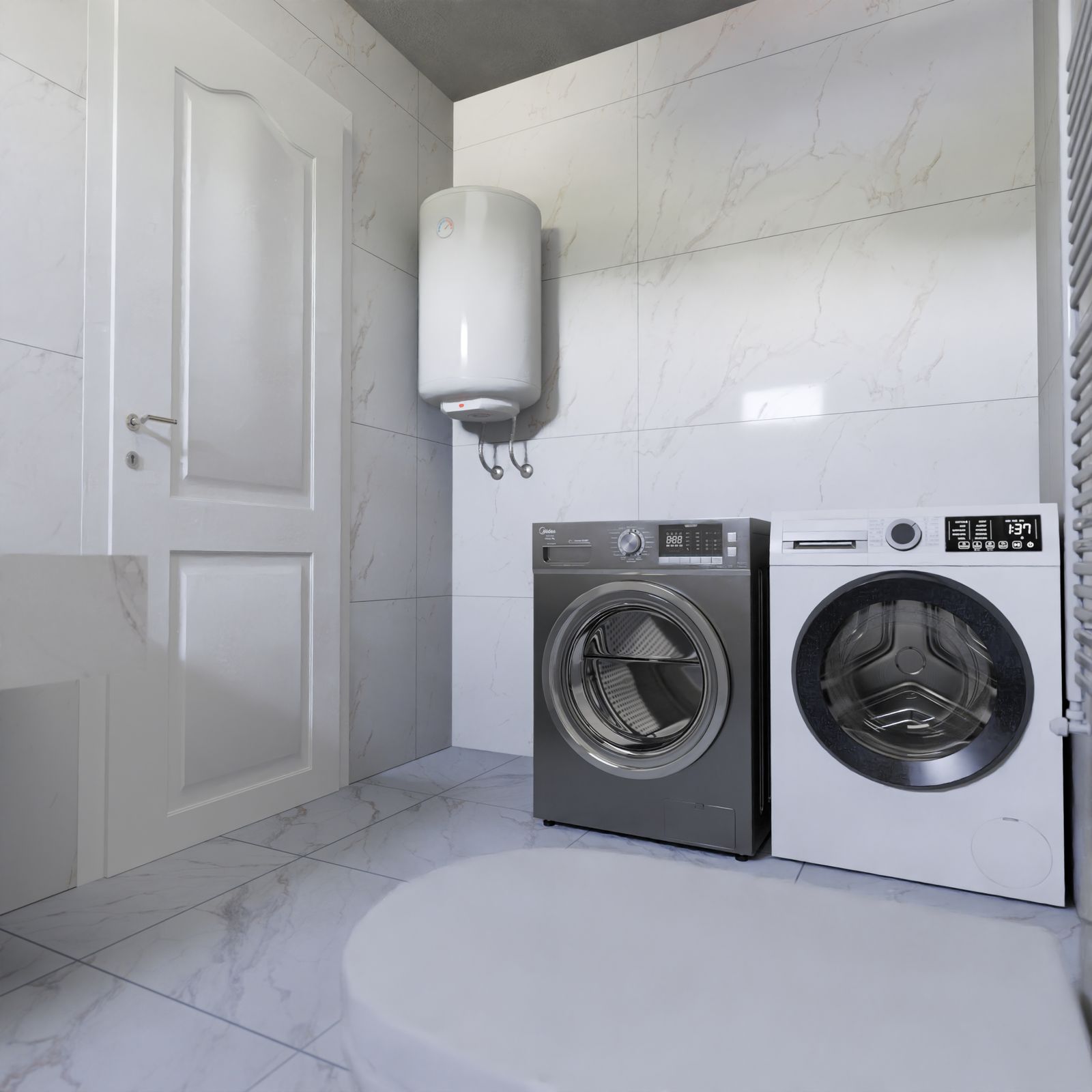
Most installation calls start the same way. The old heater is leaking, can no longer keep up, or is simply old enough that you would rather replace it on your own schedule than in an emergency. A new water heater install is also a chance to rethink the type, the size and the spot the heater sits in.
In Brea, that conversation depends on the home. A 1970s tract house with the heater in the garage raises different questions than a newer attached home with an interior closet. The pro on the phone asks where the heater is, what fuel it uses and how many people live in the home, then explains your options and the upfront price before any work begins.
If the heater is already leaking, read our page on a leaking water heater first, because a few safe steps can limit the mess while you wait for the pro.
Water heater sizing: matching a new heater to your household
Size is about how your household uses hot water, not just how big the tank looks. Two ideas matter. The first-hour rating describes how much hot water a tank can deliver in a busy hour, and the recovery rate describes how quickly it reheats once that hot water has been used.
A home where several people shower in the same morning window needs more than one where use is spread across the day. Laundry, a dishwasher and a soaking tub all draw hot water at the same time as the showers. The pro asks about all of it before recommending a size. If your current heater keeps running out, that is useful information too, and our page on no hot water explains the other causes worth ruling out first.
Gas, electric, heat-pump or tankless: how the pro helps you choose
The choice usually starts with what your home already has. Gas is the norm in Brea, and swapping a gas heater for another gas heater is the most direct replacement. An electric tank needs a suitable electrical supply. A heat-pump water heater, which moves heat instead of making it, is worth asking about when the space and supply suit it.
Tankless units heat water as it flows, so there is no tank to run out. They bring their own questions about gas supply, venting and flow, which is why they have their own page: see our guide to the tankless water heater. Many newer east-side homes already have one.
A good pro lays the options side by side in plain words and tells you what each one means for your space, your fuel and your household. You decide. You can always ask for the simplest like-for-like replacement and hear what it involves.
What happens on water heater installation day in Brea
Your pro walks through the plan with you first: where the new heater goes, how it will be connected and what is being replaced or added. Then the work follows a familiar order.
- The old heater is shut off, drained and disconnected.
- The new heater is set in place, level, and on a drain pan where one is needed.
- The water lines, the shutoff valve and the relief valve discharge pipe are connected.
- On a gas heater, the gas connection and venting are completed and checked. On an electric heater, the pro makes the electrical connection.
- The tank is filled, air is cleared from the lines, and the heater is brought up to temperature and tested.
- The pro shows you the controls, the shutoff valve and what to watch for in the days ahead.
How long this takes depends on the heater, the access and any changes to venting or plumbing, so ask for a realistic window when you book.
Planning a new heater?
Describe your home and your current heater to a person who can talk through the options.
Get upfront pricing on the phoneExpansion tank installation, drain pans and seismic straps
A water heater is more than a tank. The parts around it keep it working and protect the floor beneath it. Here is the usual set, numbered to match the diagram.
- Flue or vent (gas models)Carries exhaust out of the home. The pro checks the path and the draft, which differ for standard, power-vent and direct-vent models.
- Cold supply and shutoff valveThe valve on the cold line is the one to close if the tank ever leaks, if you can reach it safely.
- Hot outletHeated water leaves from the top of the tank.
- Expansion tankA small tank on the cold line that gives heated water somewhere to go as it expands. Whether a home needs one depends on how its plumbing is set up.
- Relief valve and discharge pipeA safety valve that releases water if pressure or temperature climbs too high, with a pipe that carries the water toward the floor or a drain. Leave it to the pro.
- Seismic strapsStraps that hold the tank to the wall. California heaters are commonly strapped in the upper and lower parts of the tank.
- Drain valveA valve at the bottom of the tank, used when the tank is flushed or drained.
- Drain panA shallow pan under the heater, often piped to a drain, that catches small leaks where floors or ceilings below need protection.
Not every home needs every part. The pro decides which apply once they see the space.
Permits and inspections: ask the pro, because rules vary
Whether a water heater change needs a permit or an inspection depends on the city, the type of heater and the work involved. We do not state rules here because they vary and can change. The pro you speak with will tell you what applies to your job and who arranges it.
Fitting a new heater in a Brea garage, closet, basement or attic
Garages are the most common spot in older tract homes. The heater may sit near the car, so ask the pro about protecting it from bumps and keeping the area around it clear. Many garages also hold the laundry, which puts water lines close by.
Interior closets are common in newer and attached homes. They are tidy, but space is tight, and a gas heater in a closet needs a proper vent path and enough air. The pro checks both before choosing a model.
Basements are uncommon in Southern California, but a lower spot can make draining and access easier. Attics are awkward to reach, and a leak up high can reach the ceilings below, so a drain pan and careful routing of the relief valve pipe matter even more there.
Water heater installation in Brea homes: what the era changes
In Downtown Brea and the old central streets, houses from the 1920s to the 1950s have been updated many times, so the heater you find may sit in a utility porch, a closet or a garage added later. Newer condos and townhomes nearby usually have a designated closet. See water heater repair in Downtown Brea for how that mix plays out.
In the 1970s hillside tracts, single-family homes with an attached garage usually keep the heater there, often beside the laundry. That makes access easy, and it is why seismic straps and a drain pan come up on almost every call. Read more about water heater repair in Glenbrook.
East-side master-planned neighborhoods built in the 2000s and 2010s often use tankless units and indoor laundry rooms, so a replacement may be tankless for tankless. Across Brea the water is generally hard, so scale builds up inside tanks and tankless units, and the pro can tell you what that means for the model you choose.
