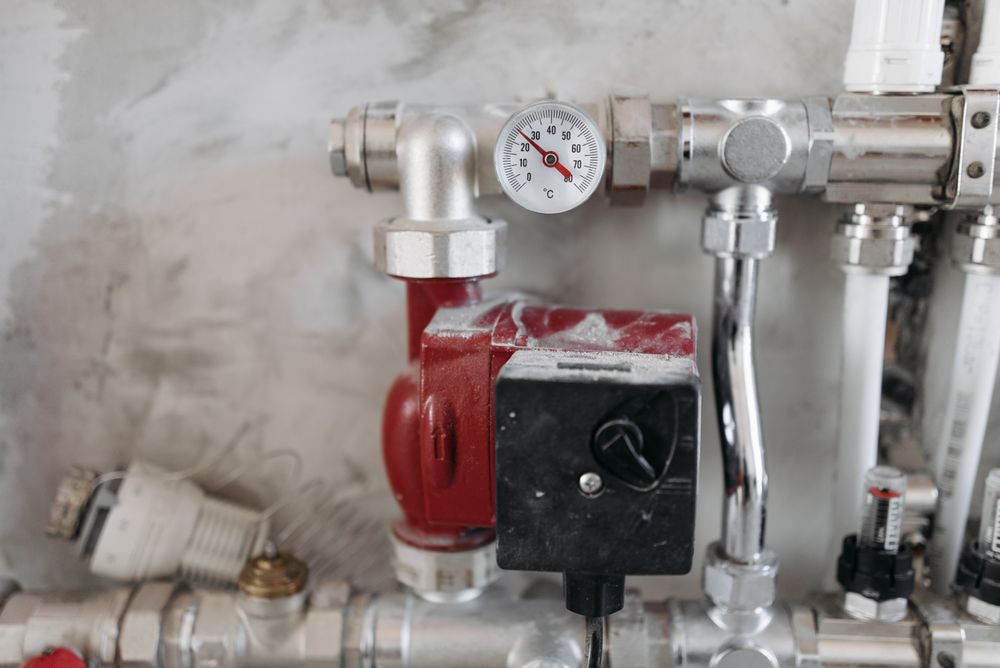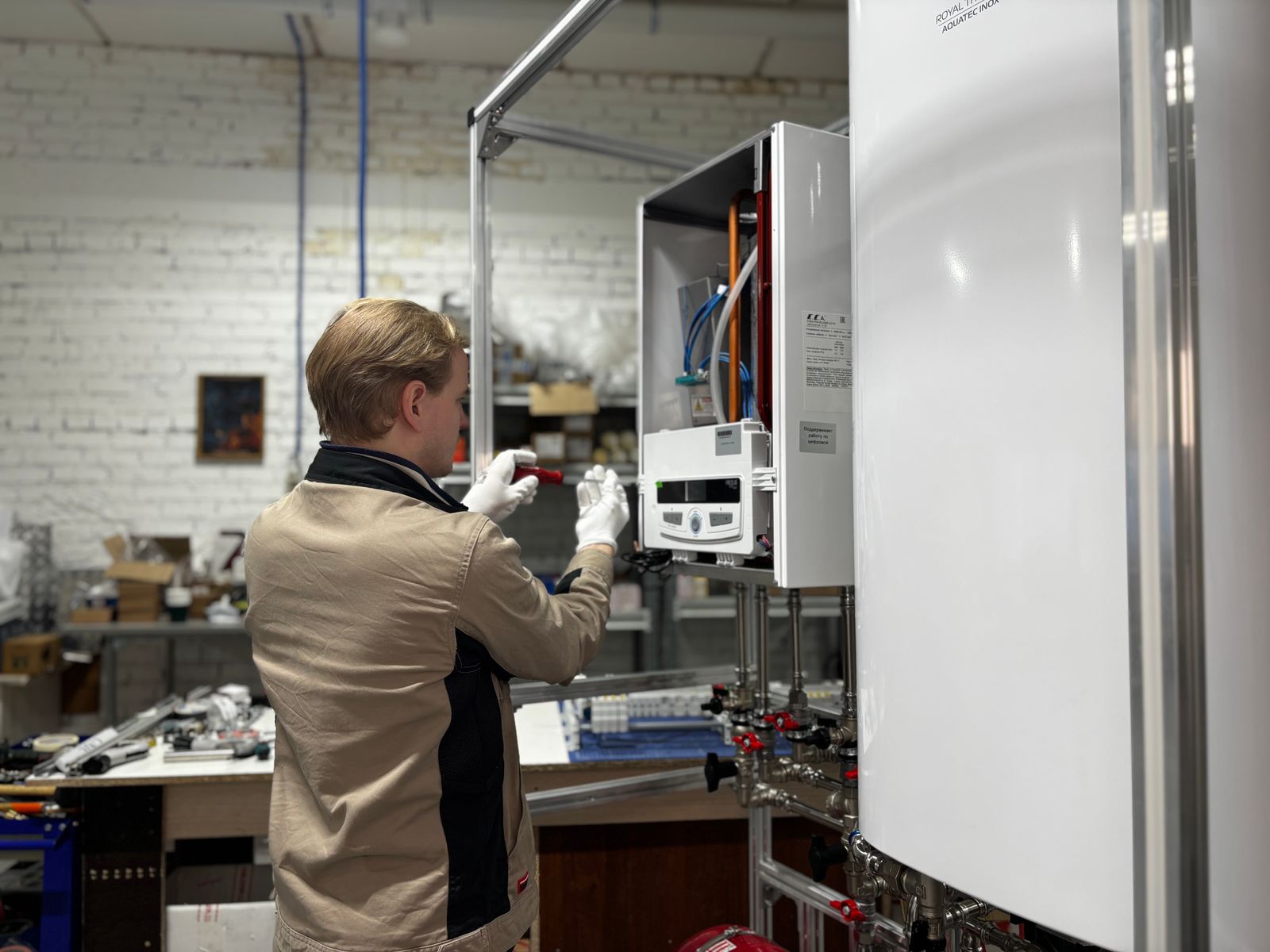
A gas tank heater burns natural gas under the tank to heat the water, and sends the exhaust up a flue. It is a simple machine, but it has more parts that matter for safety than an electric one, which is why this page starts with the safety steps and keeps the repair talk descriptive.
Nothing here is a do-it-yourself guide. The pro you speak with handles the gas side of the work. What you can do is understand what is happening, so the call makes sense and the options are clear.
How a gas water heater works in Brea homes
Gas arrives through a supply line to the gas control valve on the side of the tank. The valve works with the pilot flame or an electronic igniter, which lights the burner under the tank. The burner heats the bottom of the tank, and hot exhaust rises through a flue in the center of the tank and out of the home.
A thermostat built into the gas control keeps the water at the set temperature, and a relief valve protects the tank if pressure or temperature climbs too high. If any part of that chain fails, the burner may not light, may not stay lit, or may not heat well, and each fault has its own signs.
Whether you have a standing pilot or an electronic igniter depends on the age and model of the heater. Tell the pro what you see, and they will know what to ask next.
Pilot light keeps going out: pilot, burner and gas control problems
A pilot that will not stay lit is one of the most common calls on a gas heater. It goes out for a reason, and relighting it again and again does not remove the reason. The usual suspects are:
- The thermocouple or flame sensor. It wears out and no longer tells the gas control the flame is there.
- A dirty pilot opening. Soot or debris weakens the flame.
- Drafts or venting trouble. Air moving the wrong way can blow the flame out.
- The gas control valve. A failing valve may not hold the pilot or the burner on.
- The burner. A partly blocked burner gives a weak flame that heats poorly.
The pro works through them in order and explains what they find. Do not try to relight the pilot yourself.
Pilot keeps going out?
Describe what you see and a person will explain what it can mean.
Speak with a local water heater techThermocouple problems and what the part does
A thermocouple is a small metal sensor that sits in the pilot flame. Heat makes it produce a tiny signal that holds the gas valve open. If the flame goes out, the signal stops and the valve closes, which is how the heater shuts itself off safely.
Thermocouple problems are among the most common reasons a pilot will not stay lit. A worn sensor can no longer produce enough signal, and the gas control shuts the gas off even though the pilot looks fine. Replacing the part is a routine job for a pro, and it is not a do-it-yourself job on a gas appliance.
Venting and draft: why it matters
The flue carries exhaust gases out of the home, and the draft is the flow that pulls them up and out. When the flue is blocked, disconnected or poorly routed, exhaust can spill back near the heater instead of leaving.
That is why a pro looks at the vent on any gas heater job, not only when the burner misbehaves. Signs worth mentioning on the call include soot marks around the top of the heater, rust on the flue, or a heater in a closet or small room. A heater that vents poorly is a job for a professional, and if a carbon monoxide alarm ever sounds, leave the home and call 911.
Power-vent and direct-vent models
Not every gas heater vents the same way. This table shows the three common types.
| Type | How it vents | Good to know |
|---|---|---|
| Standard | Natural draft carries exhaust up a flue through the roof or a wall | Common in older homes. Needs a clear flue and a supply of air in the room |
| Power-vent | A fan pushes exhaust out through plastic pipe, often through a side wall | Easier to place when a straight flue is hard to run. Needs electrical power for the fan |
| Direct-vent | Draws air from outside and exhausts outside through sealed pipes | Keeps combustion air separate from the room, useful in tight or sealed spaces |
Which type suits a home depends on where the heater sits and how the vent can run. The pro explains the options when they see the space.
Repairing vs replacing a gas unit, and gas water heater replacement
Many gas heater problems are repairs: a thermocouple, an igniter, a gas control, a thermostat or a vent problem. A tank that has failed and is leaking is replaced, because the shell cannot be repaired. The age on the label also matters, and the pro will tell you what they see.
For a gas water heater replacement, a like-for-like swap is the simplest choice. It is also the moment to consider a different size, a power-vent model or a tankless unit, and our page on water heater installation explains how sizing and installation day work. Some homeowners ask about switching to electric, and our electric water heater page covers what that involves.
A gas tank also benefits from attention over time. See water heater maintenance for what a visit covers.
Gas water heater in Brea homes: what the era changes
In Country Hills, mid-1970s hillside homes in homeowners association communities mostly keep a gas tank heater in the attached garage. Venting runs through the roof or a wall, and the garage setting makes access simple. Our notes on water heater repair in Country Hills explain what the pro checks there.
In Blackstone and the other east-side master-planned neighborhoods, newer construction often uses power-vent or direct-vent gas models and tankless units, so the first questions are about the vent run and any error codes. See water heater repair in Blackstone.
Across Brea the water is generally hard, so sediment builds up in gas tanks and shows up as popping and slow heating. For broader repair help, start at our the Brea home page page.